
Something is deeply wrong.
We can feel it everywhere.
The climate is changing faster than expected. Forests burn. Oceans warm. Species disappear. Weather becomes more extreme, more unpredictable. Entire regions are slowly becoming harder to live in.
At the same time, millions of people struggle to meet basic needs. Food insecurity exists alongside food waste. Homelessness exists alongside empty homes. Stress, anxiety, and burnout are rising, even in the wealthiest societies.
And then there is pollution.
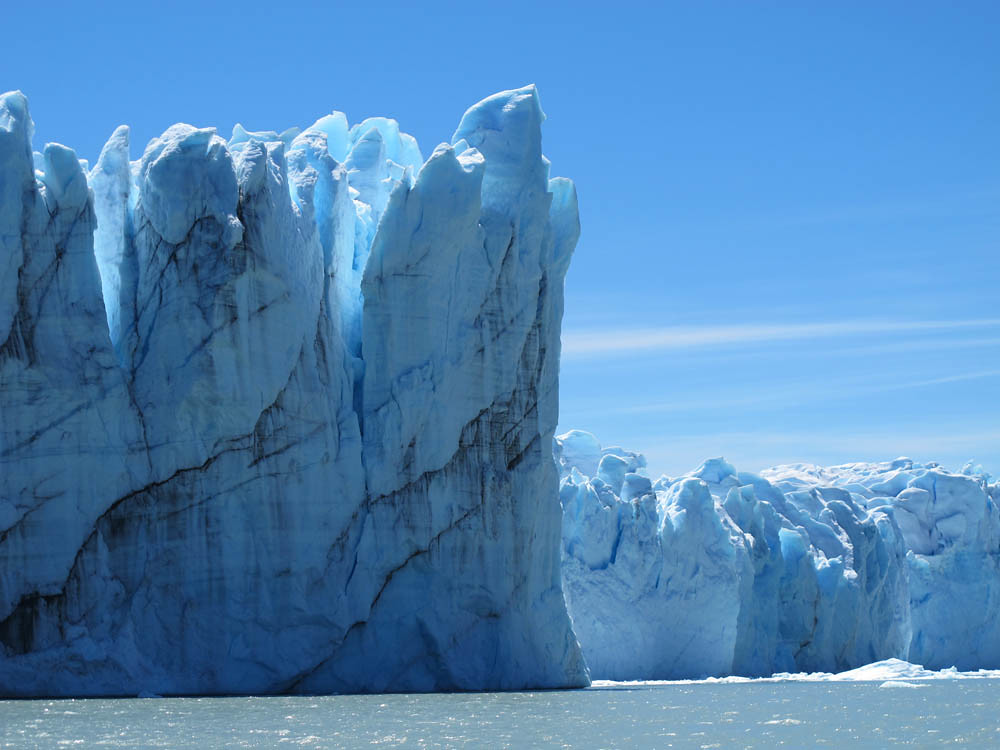
Not just CO₂ — but soot, chemicals, plastics, and particles filling the air, water, and soil. Soot from burning fossil fuels and industrial activity doesn’t just disappear. It lingers, darkens ice, accelerates melting, and harms human health.
We know this.
We talk about it constantly. Governments meet. Agreements are signed. Targets are set.
And still… it continues.
Which leads to a difficult question:
Why?
Time Is Running Out
Climate change is not something waiting for us in the future.
It is here. Now.
We are already living in it.
So the question becomes inevitable:
Is it too late?
Is there no hope left for humanity on planet Earth?
Or do we still have time?
The truth is this:
It is not too late.
But we are no longer early.
We still have time — but not much.
If we act quickly, we can still protect our future.
But acting quickly doesn’t mean small adjustments.
It means drastic changes to the way our world works.
If you look at the trajectory, it can feel overwhelming.
Even if emissions are reduced slightly, the system as a whole keeps pushing in the same direction. Growth. Production. Consumption. Expansion.
We are told to recycle more, drive less, eat differently, buy smarter.
But at the same time, the global system depends on increasing production and consumption every single year.
It’s like trying to slow down a car… while pressing the accelerator.
And deep down, many people feel it:
Something doesn’t add up.
What We Can Actually Control
Some pollution is beyond our control.
Volcanoes erupt. Forest fires burn. Nature releases soot and particles into the atmosphere.
And once that soot is up there, it’s too late to stop.
But that’s not where the real problem lies.
Because what we can control — and what we are choosing not to control — is everything else.
Every day, we burn enormous amounts of fossil fuels. Not because we have no alternatives, but because our entire system depends on it.
Energy production, transport, manufacturing, agriculture — all tied to continuous extraction, consumption and combustion.
And soot from these sources is not a natural accident.
It is a direct consequence of how our system operates.
The Uncomfortable Reality
So why don’t we just stop?
If we know that burning fossil fuels is driving pollution, climate change, and environmental destruction… why don’t we simply stop doing it?
Because stopping it at the scale and speed required would do something else.
It would stop the system. It would mean a total collapse of the monetary system itself.
The System Behind the Symptoms
The issue is not that we don’t understand the problems.
We understand them very well.
The issue is that the system we rely on to function as a global society is built on the very activities that are causing our demise.
The monetary system depends on continuous growth and consumption.
Growth depends on production.
Production depends heavily on energy — and that energy still largely comes from fossil fuels.
If you remove that foundation too quickly, you don’t just remove emissions — you trigger a chain reaction. The faster we cut, the more we pull the rug out from under the very system that keeps goods, jobs, and services flowing.
You remove supply chains.
You remove jobs.
You remove the flow of goods that people depend on for daily life.
In short:
You risk collapse.
The Trap
This creates a trap that is incredibly difficult to escape.
On one hand, we must reduce pollution, emissions, and environmental damage — and we must do it fast.
On the other hand, doing it as fast as we really need to threatens the survival of the system that currently keeps billions of people alive.
That is the core tension: the speed required to solve the problem is the same speed that risks collapsing the whole system.
So we try to compromise.
We tweak — more efficient engines, slightly better fuel standards, LED lights instead of old bulbs, electric cars that still rely on massive industrial supply chains and energy systems.
We adjust — new climate targets, carbon taxes, subsidies for renewables, regulations that try to slow things down without stopping the overall growth machine.
We patch — carbon offset programs, planting trees to compensate for emissions, cleaning plastic from oceans, installing filters and capture systems — all attempts to deal with the consequences after the damage has already been done by the monetary system.
But the core direction remains unchanged.
Because changing the core would mean questioning the system itself.
The Inevitable Truth
At some point, this contradiction cannot continue.
We cannot simultaneously depend on a system that requires continuous consumption, extraction and burning…
…and expect to stop the consequences of that very same extraction and burning.
Something has to give.
Either we continue as we are and face escalating environmental consequences.
Or we replace the system — deliberately — before the consequences force that change upon us.
What Comes Next?
This is not about blame.
It’s not about individuals making better choices.
It’s about recognizing that the problems we see are not isolated.
They are symptoms of a system.
And the system producing those symptoms cannot solve them without fundamentally changing itself, or rather, being replaced.
That realization can feel uncomfortable.
But it can also be the beginning of something else.
Because once we see the systemic problem clearly…
We can start asking a different question.
Not just:
“How do we fix the symptoms?”
But:
“What kind of system would actually make those symptoms disappear?”
Call To Action
What would the world look like if we designed it from the ground up — not around profit and a polluting system, but around what actually works for people and the planet?
In the novel Waking Up – A Journey Towards a New Dawn for Humanity, you don’t just read about that question… you step into it through Benjamin Michaels’ eyes.
And if this perspective resonates… please share this article. I thank you.
Leave a Reply