
Why this question reveals the deepest wound of our civilization
People often ask me the same question my friend Henny asked recently:
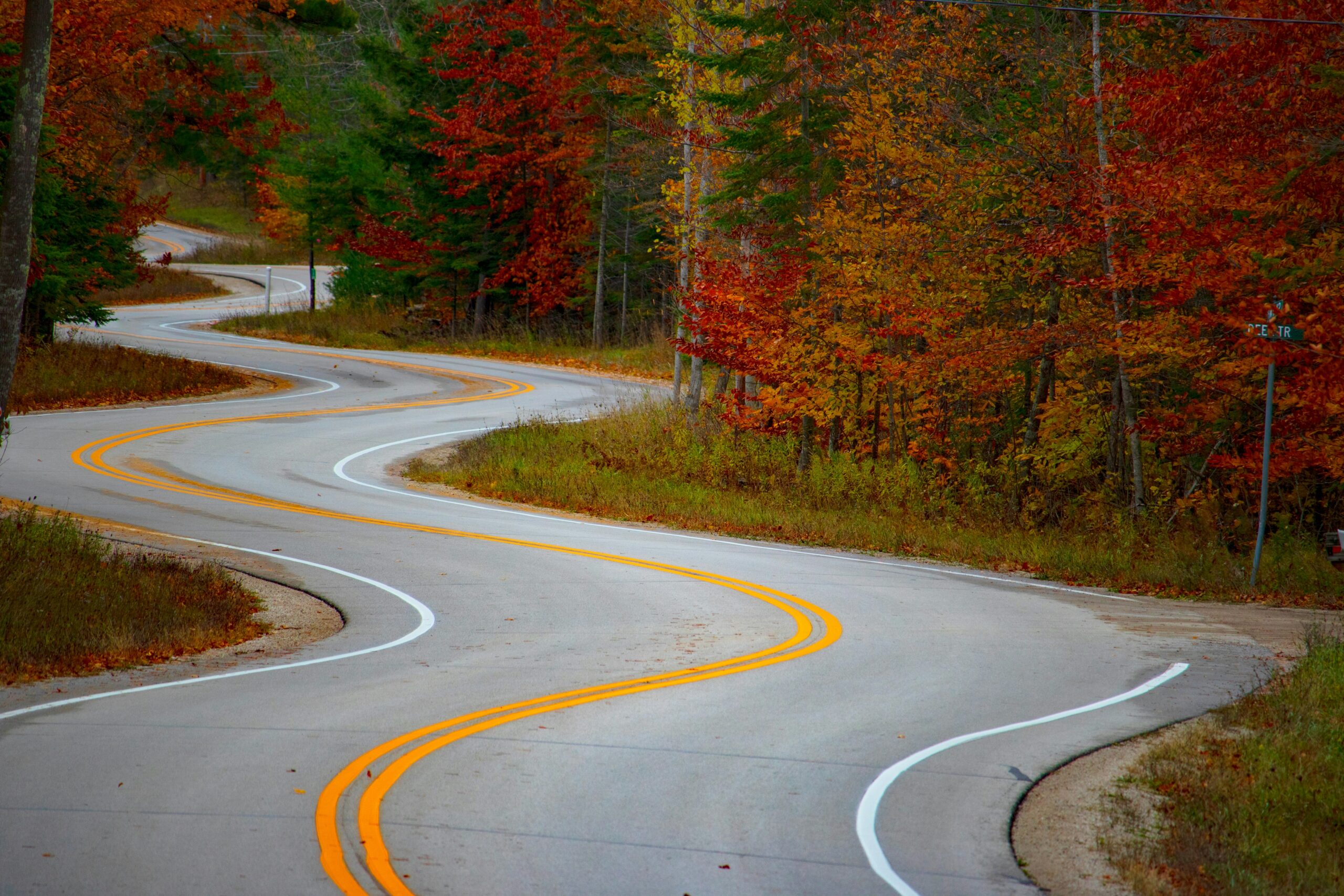
“But who will make the roads in a moneyless world?”
On the surface, it sounds practical.
Underneath, it carries something much deeper: the belief that without coercion, nothing essential will get done.
To understand why this fear appears, we have to look honestly at the system we’ve lived under for millennia.
⸻
The Old System Was Coercion With Extra Steps
Our entire economy has been built on one unspoken rule:
Work… or you don’t survive.
It is a softer, modernized form of slavery —
not chains, but contracts.
Not whips, but bills.
Not owners, but employers.
Not physical force, but financial fear.
It’s the same mechanism:
Do this, or you lose your life’s stability.
When someone asks, “But who will do the necessary jobs if nobody is forced?”, they are really saying:
“I don’t trust human nature.”
And how could they?
We live in a money world where people are exhausted, underpaid, disconnected from meaning, and pressured every day to “earn their right” to exist.
No wonder it’s hard to imagine anything else.
Humans Resist Meaninglessness — Not Work
The belief that people won’t contribute unless they’re coerced is disproven every day:
• people volunteer
• they build open-source software
• they help neighbors
• they raise children
• they care for elders
• they rescue strangers in disasters
• they create gardens, art, solutions, communities.
Not because someone threatens them.
But because contribution is a natural human impulse.
Humans thrive when they can see:
• meaning
• impact
• purpose
• connection
• respect
The problem isn’t work.
The problem is the system around it.
⸻
So Who Makes the Roads in a Moneyless World?
1. Those who feel drawn to it
Every area of life attracts different kinds of people:
• some love machines
• some love construction
• some love planning and designing
• some love engineering
• some love logistics
• some love earthwork and outdoor labor
The world already works like this —
except today people are often forced into jobs they don’t like because they need a paycheck.
Remove the coercion, and people naturally gravitate toward what they enjoy and what they’re good at.
⸻
2. The needs of society direct the contributions
This is the part most people have never experienced:
In a moneyless world, needs shape contribution, not markets.
• If a road is needed, the community requests it.
• If a hospital needs staff, people trained in care step forward.
• If infrastructure needs upgrading, teams form naturally around that task.
The organizing principle is simple:
Need → Resonance → Contribution.
Instead of “What job will pay me enough?”, the question becomes:
“What does the community need, and where do I fit naturally?”
⸻
3. AI, robotics, and machinery do the heavy lifting
We already have road-printing robots today.
We already have self-driving construction machines.
We already have AI that plans infrastructure more efficiently than any human could.
Project this 100 years forward — the world of Waking Up:
• dangerous work is automated
• repetitive work is automated
• heavy work is automated
• humans guide, design, and coordinate
• machines handle the rest
Road-building becomes a creative, collaborative, mostly automated process.
The “labor shortage” fear belongs to an era that is ending.
⸻
The Real Fear Hidden in the Question
Henny wasn’t asking about roads.
She was asking:
“If no one is forced to work, will society fall apart?”
The answer becomes obvious when you look at the world we have today:
⸻
Crime, Wars, and Prisons Are Products of Coercion — Not Freedom
People often point to violence and crime as “proof” that humans can’t be trusted.
But:
Crime is a symptom of unmet needs.
Most crime comes from:
• poverty
• desperation
• exclusion
• trauma
• lack of belonging
• lack of opportunity
These are system-created conditions, not human nature.
War is institutionalized coercion.
Wars are driven by:
• resource control
• profit
• power
• fear
• strategic dominance
A world without ownership and scarcity has nothing to fight over.
Prisons are evidence of system failure.
People don’t end up in prison because they are “bad.”
They end up there because:
• their needs weren’t met
• their communities broke
• their lives lacked support, meaning, and belonging.
Prisons don’t fix people.
They reflect the collapse of a coercive society.
⸻
A coercive system creates coercive behavior.
When life is structured around:
• fear
• competition
• scarcity
• punishment
• hierarchy
• economic pressure
then society must produce crime, war, and prisons.
Not because humans are broken.
But because the system is.
⸻
A trust-based system produces trust-based behaviour.
When:
• needs are met
• belonging is real
• contribution is voluntary
• coercion disappears
• technology carries the burden
• community is the foundation
violence evaporates the way darkness disappears when you switch on a light.
⸻
Call To Action
Benjamin Michaels went into cryonic sleep believing — exactly like Henny — that without money, nothing essential would ever get done.
When he wakes 100 years later, he discovers a world where contribution follows need, where technology removes the drudgery, and where humans give because it is natural, not forced.
If you want to explore that world, my novel Waking Up – A Journey Towards a New Dawn for Humanity is for you.
Discover it here:
Leave a Reply